Utility Over Ostentation: Why Everyday Dress Returned to Functional Workwear
The Quiet Triumph of Honest Construction
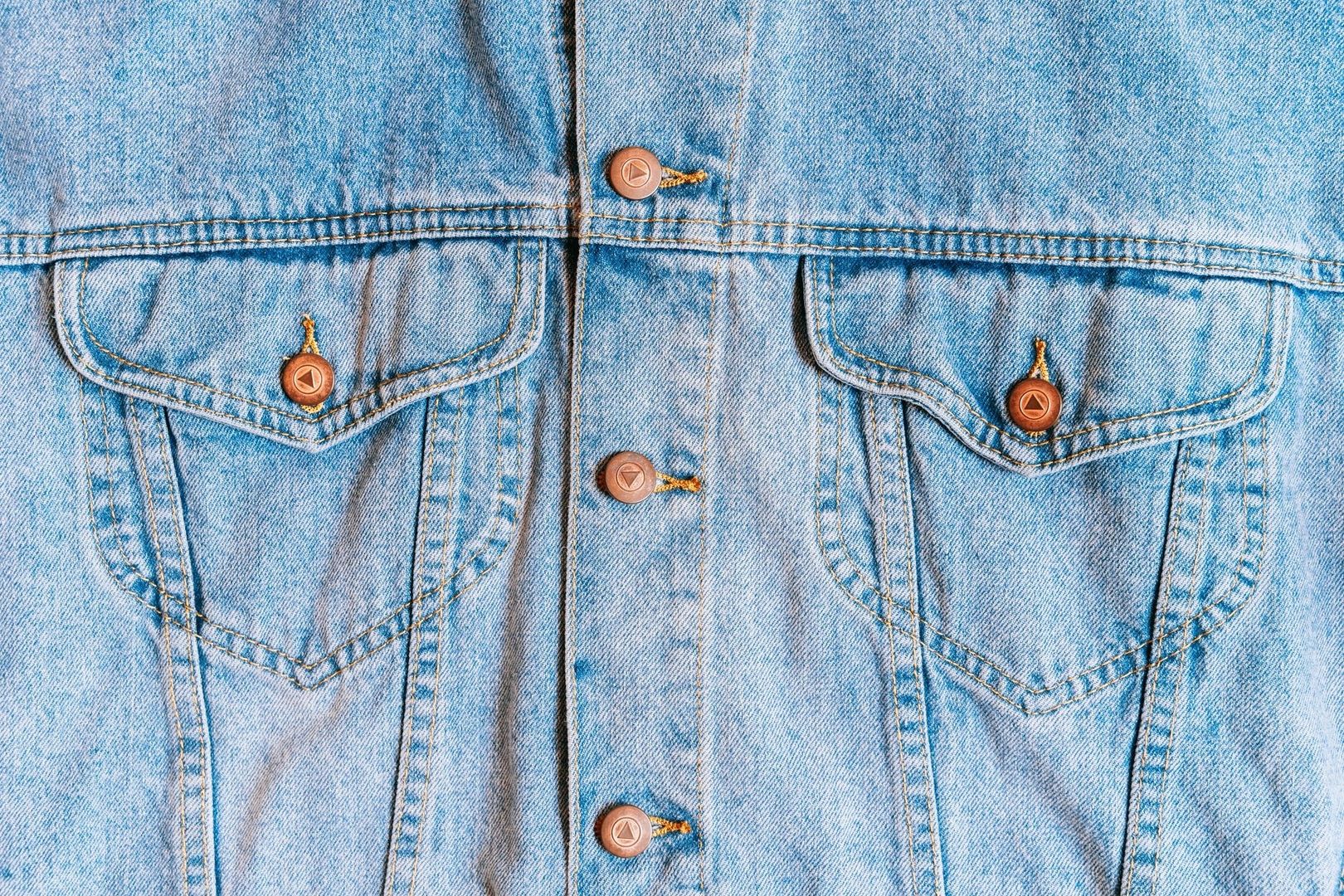
Everyday dress is moving away from fast fashion”s loudest signals and toward clothing that feels useful in the hand. Instead of ostentatious branding, exaggerated novelty, or delicate details designed for a short commercial life, many wardrobes now favor substantial cloth, roomy silhouettes, repairable construction, and pockets that genuinely carry something. A well-made overshirt, chore coat, or pair of denim trousers does not need to announce its value. Its weight, texture, and increasingly personal surface do the work.
This shift has a long industrial lineage. Heavy twill, canvas, moleskin, and denim were developed or refined for workers who needed protection from abrasion, weather, sparks, dirt, and repeated movement. Over time, these materials crossed from rail yards, farms, workshops, and factories into ordinary daily life. Their appeal today is therefore more than nostalgic. Visible stitching, useful hardware, and cloth that changes through wear answer a modern desire for authenticity and intentional living. A garment that can be maintained, adapted, and worn repeatedly offers a practical alternative to the disposable cycle of seasonal fashion.
The Architecture of Durability
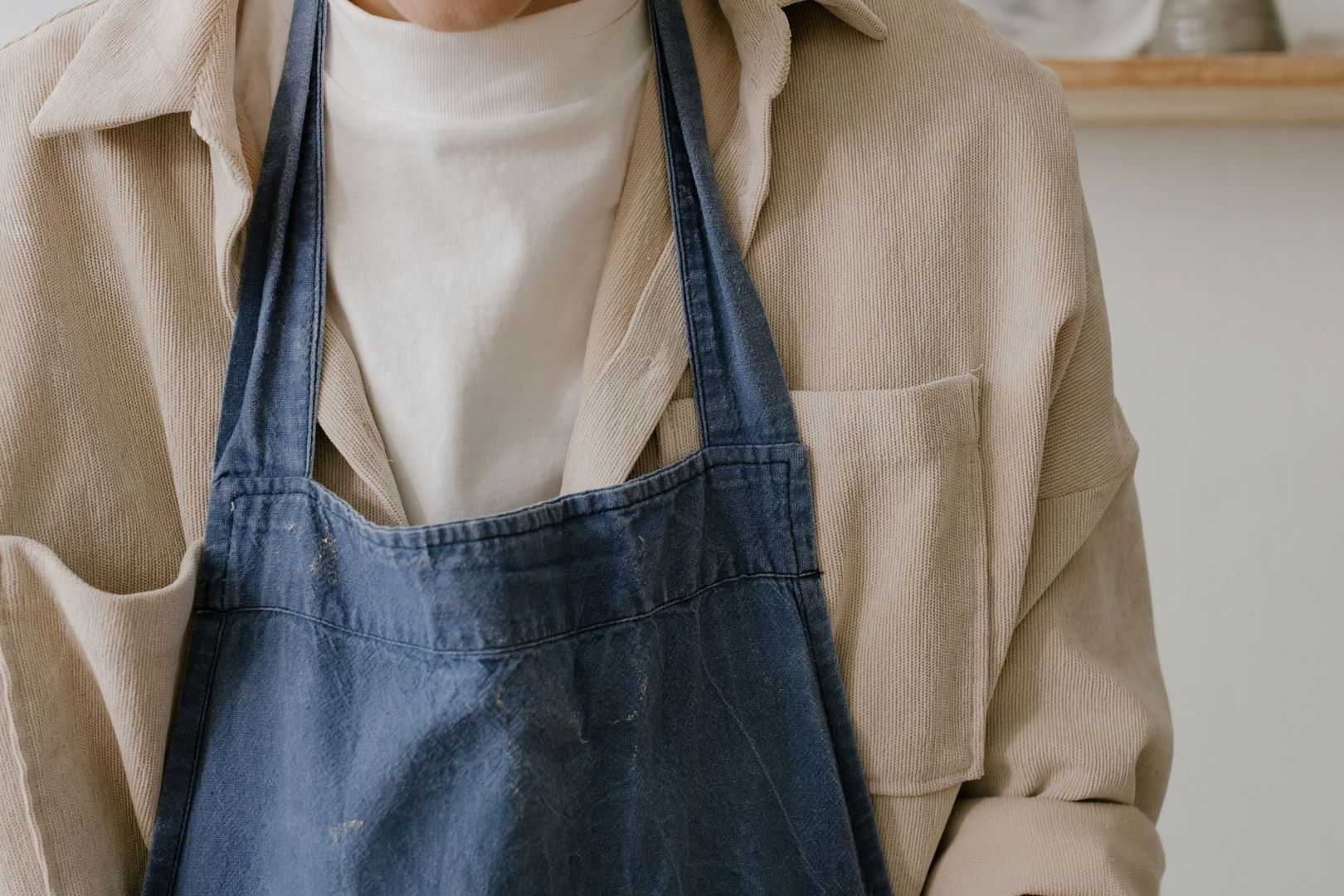
Durability begins with material intelligence. Heavy twill distributes stress diagonally across its weave, which helps trousers and jackets withstand bending, pulling, and friction. Dense duck canvas, whose name is related to the Dutch word doek for cloth, has a tightly packed cotton structure that resists wind, tearing, sparks, and abrasion. It may feel stiff when new, but that initial firmness is part of its promise: with use, the fibers soften while retaining a record of movement and work.
Moleskin takes a different route to strength. Its densely woven cotton surface is brushed to create a soft, low-friction nap. The result is warm, wind resistant, breathable, and comfortable against the body, making it particularly effective for French work jackets and other garments intended for long hours of activity. Denim, meanwhile, relies on a twill structure and often combines indigo-dyed warp threads with lighter weft threads. This construction explains both its resilience and its characteristic fading, since areas of repeated contact gradually reveal the underlying structure.
Construction determines whether a strong fabric becomes a genuinely durable garment. A flat-felled seam folds and encloses raw edges, reducing fraying while creating a reinforced line that can tolerate repeated stress. Bar tacks concentrate dense stitches at known tension points, such as pocket openings, belt loops, and the base of a fly. Rivets perform a similar job where fabric layers receive constant pulling. The historical necessity of reinforcing pocket edges and seam joins is visible in the Smithsonian”s archival record of copper-riveted trousers.
| Workwear feature | Practical function | What to inspect |
|---|---|---|
| Heavy twill or duck canvas | Resists abrasion and repeated tension | Even weave, appropriate weight, no weak thin patches |
| Flat-felled seams | Enclose raw edges and reinforce joins | Secure parallel stitching with no exposed fraying |
| Bar tacks and rivets | Protect high-stress points | Dense, clean attachment rather than decorative imitation |
| Double knees or layered panels | Extend the life of areas that kneel or rub | Useful reinforcement with room for movement |
Commercial tailoring often prioritizes a clean silhouette, lightness, and a smooth interior. Those qualities can be beautiful, but they serve a different purpose. Workshop clothing accepts visible reinforcement, extra fabric, and practical bulk because movement and service life matter more than an uninterrupted line. The best workwear does not merely look rugged. It places strength exactly where the wearer applies force.
Why Everyday Style Embraces the French Bleu de Travail
The French bleu de travail, or blue work jacket, began as protective clothing for laborers, railway workers, farmers, and artisans. Its relaxed body allowed layering and movement, while cotton drill or moleskin provided a firm barrier against dust and wear. The familiar blue was practical as well as distinctive. Inexpensive synthetic dyes made blue accessible for professional clothing, and darker shades helped conceal the marks of daily labor.
The coat”s pocket arrangement reveals a careful understanding of the working day. Large patch pockets could hold tools, gloves, folded notes, or personal items without the restrictive placement associated with formal jackets. A chest pocket accommodated smaller objects such as a pencil or pen, while button cuffs and a full front closure gave the wearer control over ventilation and movement. The result was a simple shell that worked as a portable surface for the tasks of the shop floor.
That clarity explains why the chore coat has become so useful in contemporary wardrobes. It can replace a blazer in a creative studio, sit over a shirt in a gallery, or serve as a lightweight outer layer for gardening and making. Its modular quality comes from proportion rather than decoration. The relaxed shape accommodates layers, the pockets provide genuine utility, and the plain front allows texture, color, and patina to develop gradually.
- Choose a roomy shoulder and sleeve line if the coat will be layered over knitwear.
- Look for pockets placed high enough to remain accessible while sitting or bending.
- Favor washable, repairable fabrics when the jacket will accompany messy or physical work.
- Use the coat as a bridge between casual clothing and softer tailoring rather than treating it as a costume.
A modern maker can pair a faded blue coat with dark denim, wool trousers, corduroy, or canvas pants without losing visual coherence. The key is to let the garment function first. When the pockets carry tools, the sleeves acquire creases, and the color softens through actual use, the coat becomes part of a working uniform rather than a borrowed historical reference.
Sociological Signals of the Utilitarian Wardrobe
Clothing communicates before conversation begins. Rugged fabric, reinforced seams, and an unembellished silhouette can suggest practical competence, reliability, and a willingness to engage with real tasks. These signals are not universal or automatic, but they help explain why workwear feels persuasive in a period when many people distrust excessive polish. A garment that appears ready for repair, weather, or repetition can express grounded values more effectively than a conspicuous logo.
Professional environments have also become more varied. Rigid formal codes remain appropriate in some settings, yet studios, workshops, technology companies, galleries, and independent businesses often value flexibility over uniform ceremony. In these contexts, a chore coat or sturdy overshirt can occupy a useful middle ground. It is more intentional than a sweatshirt but less hierarchical than a traditional suit jacket. The clothing acknowledges work without pretending that every form of work takes place behind a desk.
Research shows that attire still influences judgments about character, even as workplaces become more casual. The study Perceptions of Ethicality: The Role of Attire Style, Attire Appropriateness, and Context found that perceived appropriateness helped shape judgments of ethicality, while the effects of casual, business casual, and formal clothing varied by context. This matters for utilitarian dress because authenticity is not simply a matter of wearing rugged clothing. The garment must fit the environment, the activity, and the wearer”s apparent relationship to it.
A clean, well-maintained work jacket can therefore communicate care rather than informality. Scuffed boots and repaired trousers may signal experience in a workshop, while the same pieces could seem careless in a formal professional setting. Utility becomes credible when it is precise. Good fit, clean hems, functional pockets, and thoughtful layering show that the wearer has chosen practicality deliberately rather than using casualness as an excuse to ignore presentation.
How to Inspect and Choose True Workshop Quality
When sourcing workwear, begin with the garment turned inside out. The interior often reveals more than a product photograph or a heritage label. Look for seams that lie flat, enclosed raw edges, consistent stitch length, and reinforcement at points where fabric is likely to pull. A heavyweight cloth cannot compensate for weak sewing, just as decorative rivets cannot substitute for correct placement.
Pay attention to the relationship between material and purpose. A twelve-ounce duck canvas may suit trousers intended for demanding use, while a lighter canvas or chambray may be more comfortable for an overshirt. Genuine selvedge denim has a finished edge created on a narrow shuttle loom, although selvedge alone does not guarantee superior construction. Chain stitching can offer a distinctive finish and attractive fading, but its value depends on the complete garment. Weight, weave, cut, hardware, and repairability must be assessed together.
- Study the fabric. Hold it toward light, feel whether the weave is even, and consider whether the weight suits the intended activity. Excessive stiffness is not automatically quality, but a new dense canvas should have a substantial hand rather than a papery one.
- Trace the stress points. Inspect pocket corners, belt loops, crotch seams, sleeve joins, button attachments, and hems. Look for bar tacks, rivets, double stitching, or layered panels where force will be concentrated.
- Check the internal finish. Flat-felled seams, bound edges, and cleanly overlocked sections reduce fraying and make future repairs easier. Loose threads, raw edges, and uneven seam allowances suggest cost cutting.
- Test movement. Raise the arms, sit, bend, and reach. A work garment should provide room without becoming shapeless, especially across the shoulders, seat, and knees.
- Examine the hardware. Buttons should be securely anchored, zippers should run smoothly, and snaps should close without distorting the fabric. Hardware should serve the garment, not merely imitate an archival appearance.
Be cautious with garments that advertise utility through surface decoration alone. A jacket may have many pockets, but if they are shallow, awkwardly placed, or made from weak lining fabric, they are visual references rather than useful equipment. Likewise, contrast stitching and artificial fading can create the impression of history without offering any structural benefit.
Care completes the inspection. Durable clothing still needs appropriate washing, drying, and storage. Avoid unnecessary high heat, empty pockets before laundering, and repair small failures before they spread. A clean patch, replaced button, or carefully reinforced seam can extend a garment”s useful life while adding the subtle evidence of ownership that mass-produced imitation cannot reproduce.
Build a Wardrobe That Works as Hard as You Do
The strongest utilitarian garments become more convincing with time. Indigo fades at the thighs and cuffs, canvas softens at the elbows, moleskin develops a polished nap, and repaired areas record the gestures that shaped them. This patina is not a flaw to be corrected at the first sign of wear. It is a visible account of use, provided the garment was designed to withstand that use in the first place.
Choosing workwear for everyday dress is therefore a commitment to a slower relationship with clothing. Select pieces for their fiber, construction, fit, and repair potential, then allow them to earn their character through repeated wear. A durable overshirt, a properly reinforced pair of trousers, or a well-cut blue chore coat can anchor years of creative practice. Its quiet dignity comes from doing the job well, without asking a passing trend to explain why it belongs.