The Architecture of Rebellion: Crafting the Tailored Silhouettes of Mod and Beatnik Subcultures
Precision as Protest in Mid-Century Streetwear
In the years after the Second World War, youth style became a visible argument about who belonged in public life and who had the authority to define respectability. Working-class young people rejected the generous drapery, padded shoulders, and conservative proportions associated with older generations. In their place came clothes cut with almost surgical precision: jackets narrowed at the waist, trousers sharpened through the leg, and surfaces kept clean enough for every seam and pressing line to matter. The garment did not merely cover the body. It announced discipline, independence, and a refusal to disappear into the anonymous uniform of post-war adulthood.
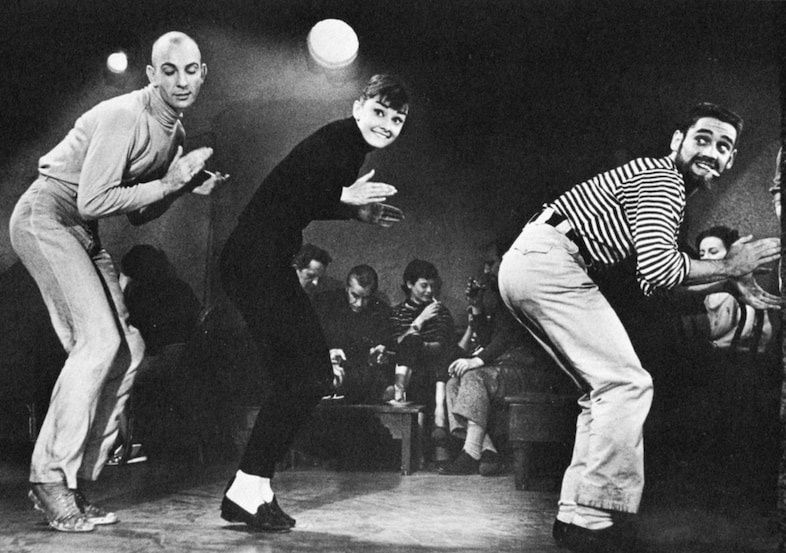
Beatnik and Mod approaches shared a resistance to convention, but their visual languages were distinct. Beatnik dress pursued existential minimalism through black rollnecks, cigarette trousers, coarse wool, and an almost austere lack of decoration. Early British Mods, by contrast, turned tailoring into geometry, obsessing over proportion, taper, lapel width, and the controlled relationship between jacket and trouser. In both cases, pattern cuts, garment structure, and fabric hand became deliberate acts of class defiance. A carefully drafted seam could challenge the assumption that refinement belonged only to established privilege, while a restrained textile palette could reject the pressure to consume novelty for its own sake.
Anatomy of the Mod Silhouette and Sharp Bespoke Cuts
The Mod jacket is best understood as an engineered frame rather than simply a smaller version of a traditional suit. A characteristic three-button front creates a longer visual line through the torso, while the fastening position can be adjusted to keep the chest neat without producing a stiff military effect. High lapels draw attention upward and sharpen the upper body. A ticket pocket, placed above the standard hip pocket, introduces a small horizontal interruption that signals bespoke intent without relying on loud ornament. Deep side vents allow the jacket to move over a scooter, through a crowded street, or across a dance floor while maintaining a clean back view.
For a maker, balance is more important than reducing every measurement. The shoulder should be close but not constricting, the chest should skim rather than strain, and the jacket hem should finish slightly shorter than conservative post-war tailoring. Lightweight wool, worsted cloth, and tightly woven blends support the silhouette because they press crisply and recover well after movement. Avoid excessive stiffness: a Mod jacket needs enough body to hold its architecture, but too much rigidity turns a youthful line into costume. Historical comparisons of the decade”s changing proportions can be explored through the Victoria and Albert Museum”s fashion overview.
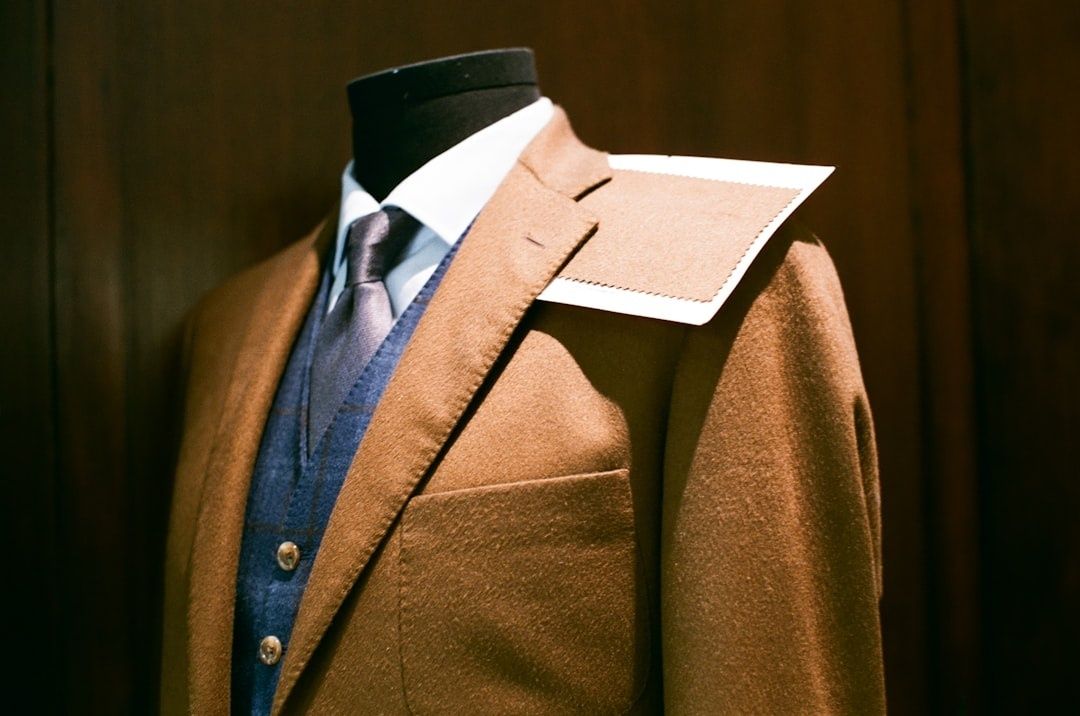
Trousers complete the visual argument. A flat front removes bulk at the waist, while a narrow cuff opening keeps the ankle and shoe in a deliberate relationship. The taper should be aggressive enough to create a continuous line from hip to hem, but not so narrow that the fabric twists around the calf. A modest break, or even a nearly clean trouser finish, emphasizes polished footwear. Slim ties, narrow belts, loafers, Oxfords, and Chelsea boots all reinforce the same principle: every accessory must support the silhouette rather than interrupt it.
| Feature | Conservative post-war tailoring | Bespoke Mod line |
|---|---|---|
| Shoulder | Broad, padded, and squared | Close-fitting with restrained padding |
| Jacket length | Longer, often covering more of the seat | Slightly shorter with a compact profile |
| Lapels | Moderate or broad, often visually dominant | High, narrow, and sharply pressed |
| Pockets | Standard hip pockets with limited emphasis | Clean hip pockets plus a high ticket pocket |
| Venting | Single vent or restrained movement allowance | Deep side vents for mobility and a crisp back line |
| Trousers | Roomier leg with a fuller break | Flat front, narrow opening, and pronounced taper |
The Beatnik Framework of Existential Drape and Monochrome Utility
Beatnik clothing is often reduced to an image of a black turtleneck and beret, but its construction logic is more interesting than the stereotype. The Left Bank and Greenwich Village aesthetic used simplicity as a form of resistance to commercial display. A garment could be intellectually expressive without being visibly expensive. The silhouette softened at the shoulder, lengthened through the torso, and allowed the body to move with a quiet, slightly detached ease. Instead of advertising rank through shine, insignia, or elaborate finishing, the outfit invited attention to posture, gesture, and presence.
Technically, this meant choosing materials and shapes that looked deliberate even when they appeared unadorned. A drop-shoulder rollneck knit can be drafted with a generous armhole and a controlled sleeve taper, creating a soft upper line without collapsing into shapelessness. Cigarette pants provide the necessary vertical counterpoint, especially when cut from firm wool or a wool blend that holds a narrow crease. Coarse textures add depth to monochrome dressing, allowing black, charcoal, and ink blue to register through surface rather than color contrast.
- Use a dense jersey, rib knit, or compact wool for rollnecks that retain their neckline after repeated wear.
- Keep hardware discreet by replacing visible metal with covered buttons, concealed hooks, or simple side closures.
- Choose a cigarette trouser block with enough ease at the seat and knee for walking, sitting, and cycling.
- Let coarse wool, brushed cotton, or slubbed fabric supply visual interest in place of prints and ornament.
- Press long vertical lines carefully, because minimal garments make uneven creases especially noticeable.
Eliminating padded shoulders, ornamental cuffs, excessive buttons, and conspicuous branding challenged consumerist display. The result was not necessarily inexpensive, since good wool and skilled finishing remain valuable, but it communicated a different relationship to ownership. A small wardrobe of durable, interchangeable pieces could support a public identity without demanding constant novelty. That principle remains useful to contemporary sewists who want a compact wardrobe with strong character and practical longevity.
Gender Resistance and Female Agency in Subcultural Seamlines
Young women did not simply borrow male tailoring; they recalibrated it. A narrow jacket, tailored trouser, or geometric shift could give the wearer greater mobility and a new relationship to public space. These clothes challenged the expectation that femininity should be expressed through restrictive skirts, ornamental detailing, or a carefully managed waist. The most effective designs retained signs of the body without allowing conventional dress codes to dictate how that body should move.
Pattern alteration is central to understanding this change. An androgynous tubular shift can begin with a straight dress block, then receive controlled shaping through shoulder darts, side seams, or strategically placed panels rather than a pronounced waist seam. A structural miniskirt needs more than a shortened hem: it benefits from firm fabric, a stable waistband, clean lining, and enough ease at the hip to prevent riding or distortion. Tailored trousers may use a higher waist, a shaped waistband, and a refined front crease, combining traditionally masculine cues with careful attention to fit across the seat and upper thigh.
Historical accounts often place male participants at the center of subcultural narratives, treating women as accessories, consumers, or visual symbols rather than designers of the scene”s language. This is not merely an omission of names. It affects how garments are interpreted, because the same short hem, trouser, or tailored jacket can signify agency when worn by someone negotiating rules about femininity, work, and public behavior. The analysis from OPEN ASSEMBLY on feminine participation in male-dominated scenes offers a useful reminder that apparent absence may reflect exclusionary documentation as much as genuine absence.
- Test a tubular shift in calico before cutting fashion fabric, checking armhole depth, hem movement, and sitting comfort.
- Stabilize a short skirt with a firm waistband and a lightweight lining so the outer cloth remains smooth.
- Adapt trouser pockets to the wearer”s actual needs, since shallow decorative pockets undermine practical independence.
- Use contrast topstitching sparingly to clarify structure, not to turn a precise garment into visual clutter.
Drafting and Constructing the Razor-Sharp Jacket Foundation
Re-engineering a conventional suit block requires restraint. The goal is not to compress every area until the jacket becomes uncomfortable, but to redistribute ease so the garment follows the body with a clean, energetic line. Begin with a toile in a stable cotton or inexpensive wool-like cloth. Mark the center front, bust or chest level, waist, hip, shoulder slope, and sleeve pitch directly onto the toile. These reference lines make it possible to distinguish a genuine proportion problem from a simple pressing or fitting error.
- Reduce the shoulder width and thin the canvas pad. Remove width from the shoulder seam rather than merely pulling the sleeve inward. Reduce the pad gradually, preserving enough support to keep the sleeve head smooth. A thin canvas or felt pad should reinforce the shoulder without producing a visible ledge. Recheck the neckline and collar balance after every adjustment, because narrowing the shoulder can alter the apparent width of the upper chest.
- Raise the armhole scye for controlled mobility. A higher armhole often improves movement because the jacket body does not have to lift as far when the arm rises. Raise the scye carefully, usually in small increments, and true the front and back curves before redrawing the sleeve cap. The sleeve must then be repitched to follow the arm naturally. Test the jacket while reaching forward, holding a handle, and bending the elbow. If horizontal drag lines appear across the back, add movement through the back armhole or sleeve rather than simply enlarging the entire garment.
- Sculpt clean waist suppression without excess hip flare. Transfer shaping into the side seams, front darts, or princess seams according to the fabric and design. Keep the waist definition firm but gradual. A sharp inward angle creates strain and makes the jacket look theatrical, while insufficient suppression loses the compact Mod character. At the hip, preserve only the ease needed for sitting and walking. The side vents should open cleanly without pulling, and the hem should remain level when the wearer stands naturally.
Construction order also affects the final result. Staystitch curved edges before handling, fuse or baste the canvas with attention to roll line, and press each seam as it is completed rather than waiting until the end. A tailor”s ham supports the chest and shoulder curves, while a seam roll prevents unwanted shine on narrow seams. Hand-baste the lining at the hem and vents so the outer cloth can settle without bubbling. Before adding buttons, check the balance in motion. A jacket that looks perfect on a hanger but twists during walking has not yet achieved the purposeful mobility associated with the best mid-century tailoring.
Carrying Intentional Construction into Modern Garment Making
The enduring lesson of Mod and Beatnik clothing is that rebellion does not require visual noise. Thoughtful tailoring can turn cloth into a tangible ideological statement through proportion, restraint, and use. A narrow lapel can question inherited ideas of authority. A black rollneck can reject conspicuous consumption. A woman in a carefully drafted trouser suit can claim comfort, movement, and visibility on terms that conventional dress once denied.
For contemporary garment makers, the most valuable practices are practical ones: select durable textiles, test the block in toile, press every seam with purpose, and make proportion an intentional decision rather than an accidental result. Start with one foundation, perhaps a three-button jacket or a compact cigarette trouser, and refine it through repeated fittings. Patience is part of the design process. When shoulder balance, armhole height, waist suppression, fabric hand, and finishing all work together, the garment achieves something more powerful than retro appearance. It becomes a precise expression of how the wearer chooses to move through the world.